

Wisdom Tooth Removal in Hagerstown
Wisdom tooth removal in Hagerstown is one of the most common oral surgery procedures our team performs and one that makes a significant difference in long-term dental health. At Mid-Maryland Oral & Maxillofacial Surgery, PA, Dr. William E. Zwack, DDS, FACS, and Dr. Ayesha Nawab, DMD, MD, FACS, bring specialized expertise in surgical extractions and dental procedures to every patient they treat. We know that dental pain, jaw pain, and concerns about anesthesia can make the idea of surgery feel intimidating. Our goal is to give you clear answers, personalized care, and a comfortable experience from your very first appointment.

Why Your Mouth Runs Out of Room for Wisdom Teeth
Wisdom teeth are the last set of molars to develop, typically emerging between the ages of 17 and 25. By the time they begin pushing through, the rest of your teeth are already firmly in place, leaving little to no space for these late arrivals. When there is not enough room for full eruption, the teeth become impacted, trapped beneath the gum line or growing in at an angle. This is when dental symptoms begin to surface and wisdom tooth removal becomes necessary.
The problems that follow impaction are rarely minor. Impacted wisdom teeth create hard-to-clean pockets around the gum tissue, setting the stage for tooth decay, gum disease, and chronic dental pain. Pressure from the erupting tooth can also push against neighboring molars, causing crowding and damaged teeth over time. In more serious cases, oral pathology such as cyst formation can develop inside the jawbone, gradually destroying surrounding bone and teeth. Early evaluation gives your oral surgeon the clearest picture of what your wisdom teeth are doing and what needs to happen next.
Benefits of Wisdom Tooth Removal
Lowering Your Risk of Recurring Gum Infections
Partially erupted wisdom teeth create a flap of gum tissue that traps food particles and bacteria underneath it. This environment is nearly impossible to clean with regular dental hygiene habits alone, which makes infection almost inevitable over time. The result is a cycle of swelling, pain, and inflammation that keeps coming back. Removing the tooth eliminates that breeding ground entirely, giving your gums a chance to stay healthy without repeated flare-ups disrupting your daily life.
Catching Problems Before They Require Complex Treatment
Dental symptoms tied to impacted wisdom teeth tend to worsen the longer they go unaddressed. What starts as mild jaw pain or occasional soreness can progress into deep infection, significant bone loss, or damage that affects neighboring teeth. Treating these issues early, before root structures are fully formed, makes the extraction procedure simpler, recovery faster, and outcomes more predictable. Waiting increases the likelihood of needing more involved dental procedures down the line.
Keeping Tooth Decay From Spreading to Adjacent Teeth
When a wisdom tooth is impacted at an angle, it presses directly against the second molar beside it. That contact point becomes a trap for plaque and food debris that your toothbrush simply cannot reach. Over time, this leads to tooth decay on both the wisdom tooth and the neighboring molar, two problems where there was once the potential for none. Removing the wisdom tooth early cuts off that risk before cavity fillings or more extensive restorative work becomes necessary.
Reducing Chronic Jaw Pain and Facial Discomfort
Pressure from impacted wisdom teeth does not stay localized to the back of the mouth. Many patients experience radiating jaw pain, headaches, and facial soreness that they do not immediately connect to their wisdom teeth. This happens because the trapped tooth exerts constant force on surrounding bone, tissue, and neighboring teeth. Once the source of that pressure is removed through surgical extractions, patients frequently report noticeable relief from discomfort they had been managing for months or even years.
Supporting Better Long-Term Oral Hygiene
Even when wisdom teeth come in without causing immediate problems, they sit so far back in the mouth that keeping them clean is genuinely difficult. That remote position makes them highly susceptible to tooth decay and gum disease, two of the most common long-term threats to dental health. Most patients struggle to maintain consistent dental hygiene around wisdom teeth regardless of how careful they are. Removing them simplifies your oral care routine and reduces the number of hard-to-reach surfaces where bacteria can quietly accumulate.
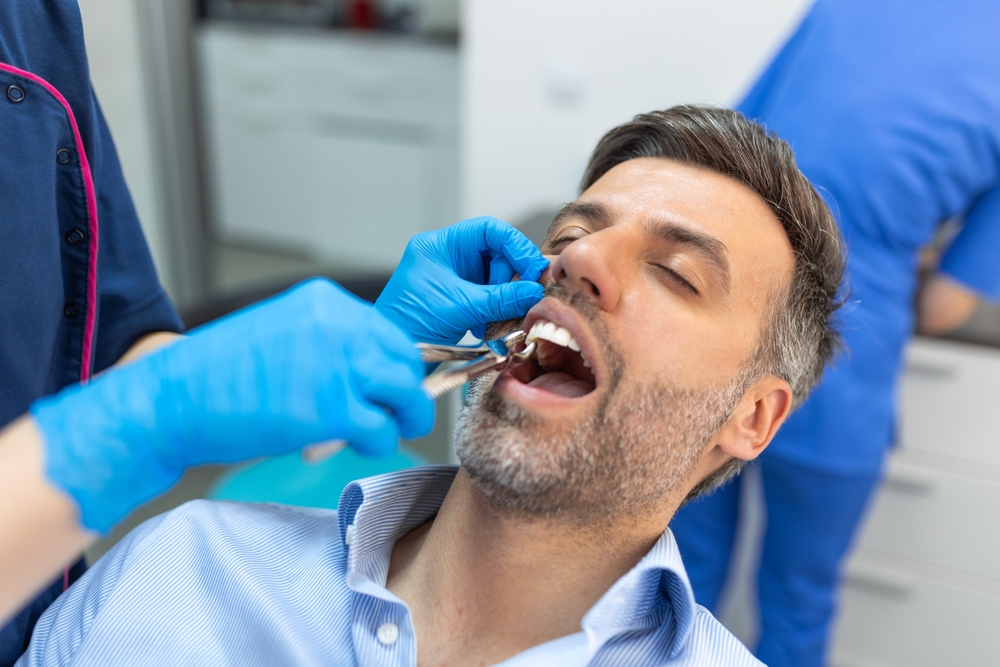
The Steps Behind a Safe and Comfortable Wisdom Tooth Removal

Why Choose Us
When it comes to oral surgery, experience and specialization matter. Dr. William E. Zwack, DDS, FACS, and Dr. Ayesha Nawab, DMD, MD, FACS, are board-certified oral and maxillofacial surgeons with deep expertise in surgical extractions, dental anesthesia, and complex cases involving oral pathology and maxillofacial surgery. Our practice is focused entirely on this specialty, which means you receive a level of skill and attention that goes well beyond general dental procedures. We take pride in offering a full range of sedation options, using advanced dental tools, and maintaining the highest safety standards at every step.
Patient comfort is not just a priority, it is the foundation of everything we do. From the moment you walk in for your consultation to your final follow-up visit, our dental team is dedicated to making sure you feel supported, heard, and cared for. We take time to explain every aspect of your extraction procedure, discuss realistic expectations for recovery, and provide clear aftercare instructions so there are no surprises. Our patients consistently tell us that knowing what to expect made all the difference in how comfortable they felt.

Ready for the wisdom tooth removal Hagerstown patients have trusted us to deliver?
Wisdom tooth removal is a well-established dental procedure that, when performed by experienced specialists, leads to lasting improvements in your oral health and quality of life. Dental pain, recurring infections, and impacted teeth are problems that respond well to early, expert care. Dr. William E. Zwack, DDS, FACS, and Dr. Ayesha Nawab, DMD, MD, FACS, at Mid-Maryland Oral & Maxillofacial Surgery, PA, are here to provide the skilled, compassionate treatment you need. Connect with our practice on Facebook for oral health tips, patient resources, and practice updates. Contact our team today at 301.694.2300 to schedule your consultation and take the first step toward better dental health.
FAQs
How do I know if my wisdom teeth need to be removed?
The most reliable way to find out is through an oral examination and X-rays performed by an oral surgeon or your general dentist. Common signs that wisdom teeth may need attention include jaw pain, swelling near the back of the mouth, difficulty opening your mouth, and recurring gum infections. However, some impacted wisdom teeth cause no immediate dental symptoms at all, which is why regular dental hygiene appointments and imaging are so important. An evaluation in your mid-teenage years gives your surgeon the best picture of what lies ahead.
What anesthesia options are available for wisdom tooth removal?
We offer several anesthetic options to match your comfort level and the complexity of your case. These include local anesthesia to numb the area, nitrous oxide for mild relaxation, intravenous sedation for a deeper calming effect, and general anesthesia for patients who prefer to be fully asleep. Our surgeons will review each option with you during your consultation and help you choose what is most appropriate. All dental anesthesia is administered with the highest safety standards and monitoring throughout the procedure.
What is dry socket, and how can I prevent it?
Dry socket occurs when the blood clot that naturally forms in the tooth socket after extraction is dislodged or dissolves too early, leaving the underlying bone exposed. It is the most common complication following dental extractions and typically develops three to five days after surgery, causing a deep, continuous aching that may radiate from the ear toward the chin. To reduce your risk, avoid smoking, using straws, or creating any suction in your mouth after surgery. Following your aftercare instructions closely is the best prevention, and our team will provide medicated dressing and support if dry socket does occur.
How long does recovery from wisdom tooth removal take?
Most patients notice significant improvement within three to five days after their procedure, though full healing of the extraction sites takes several weeks. On the first day, some minor bleeding and discomfort are normal. Swelling tends to peak on day two and gradually decreases after that, especially when ice packs are used consistently on the first day. Jaw stiffness is common around day three and can be eased with moist heat. We recommend limiting physical activities for a few days and following your post-operative instructions closely to support a smooth recovery.
What are the risks associated with wisdom tooth removal?
As with any surgical procedure, wisdom tooth removal carries some potential risks that your surgeon will review with you beforehand. These can include temporary numbness or tingling in the lip, chin, or tongue caused by proximity to the sensory nerve, a sensation that typically resolves over weeks or months. Upper wisdom teeth sit near the sinuses, and in rare cases a small opening may form between the mouth and sinus, which usually closes on its own. Infection is another possible complication that is generally resolved with a short course of antibiotics. Our team monitors for all of these outcomes and provides thorough guidance throughout your recovery.