

Surgical Procedures To Assist Orthodontic Treatment
Getting orthodontic care right sometimes takes more than braces, and our surgical procedures to assist orthodontic treatment reflect exactly what Dr. William E. Zwack, DDS, FACS, and Dr. Ayesha Nawab, DMD, MD, FACS, know best. As oral and maxillofacial surgery specialists at Mid-Maryland Oral & Maxillofacial Surgery, PA, they regularly work with patients whose bite, jaw, or facial structure needs surgical correction before orthodontic treatment can truly succeed. Not every alignment problem starts and ends with teeth. Some cases involve deeper structural issues that require a skilled surgical hand working in close coordination with your orthodontist, and that is precisely the level of care this team is built to deliver.

How Jaw and Bone Issues Factor Into Orthodontic Care
Orthodontic treatment moves teeth, but it cannot reshape the jaw or correct the bone structure underneath. When a patient has a significant skeletal discrepancy, an impacted tooth, or a structural irregularity that affects how the upper and lower jaws relate to each other, those issues have to be addressed surgically before or during orthodontic care. Ignoring them means asking braces or aligners to work against a foundation that is not built to support the final result.
Surgical procedures to assist orthodontic treatment step in precisely at that point. They correct the underlying jaw and bone conditions that would otherwise limit, delay, or destabilize orthodontic progress. This might mean repositioning the jaw, exposing a tooth that never erupted properly, or modifying bone tissue to give teeth the space and structure they need to move into correct alignment. The surgery does not replace your orthodontic treatment. It makes it possible to work the way it is supposed to.
What Surgical Orthodontic Support Does for Your Treatment
Corrects Skeletal Issues That Braces Alone Cannot Fix
Some jaw and facial bone discrepancies go beyond what orthodontic appliances can address. Surgical intervention directly repositions the jaw or restructures bone to create proper alignment. This means your orthodontic treatment can work as intended rather than compensating for underlying structural problems. The result is a more stable and functional outcome over the long term.
Improves Bite Function and Reduces Daily Strain
A misaligned jaw places uneven pressure on your teeth and jaw joints, which can lead to pain, wear, and difficulty chewing. Surgical procedures to assist orthodontic treatment correct these alignment issues at the source. When your upper and lower jaws meet properly, everyday functions like chewing, speaking, and breathing become noticeably easier. Many patients report significant relief from chronic jaw discomfort after treatment.
Creates Lasting Results That Hold Over Time
When surgery and orthodontics work together, the changes are grounded in bone, not just tooth movement. This makes outcomes far more stable compared to orthodontic-only approaches that push against structural limits. Your teeth are less likely to shift back after treatment because the underlying framework supports the final position. This means fewer complications and less need for corrective work down the road.
Enhances Facial Balance and Appearance
Jaw and bone irregularities often affect how your face looks from the front and in profile. Surgical procedures that assist orthodontic treatment can bring better symmetry and proportion to your facial features. Patients frequently notice improvements in chin projection, midface balance, and overall facial harmony. These changes are a natural outcome of correcting the underlying structure, not a cosmetic goal pursued in isolation.
Gives Your Orthodontist More Predictable, Accurate Results to Work With
When the jaw and bone structure are properly aligned before or during orthodontic treatment, your orthodontist can move teeth with far greater precision. There are fewer compensations to make, less risk of unexpected shifting, and a clearer path to the planned final position. Surgical correction essentially removes the variables that make orthodontic outcomes harder to control. That translates directly into a more efficient treatment process and results that land closer to what was planned from the start.
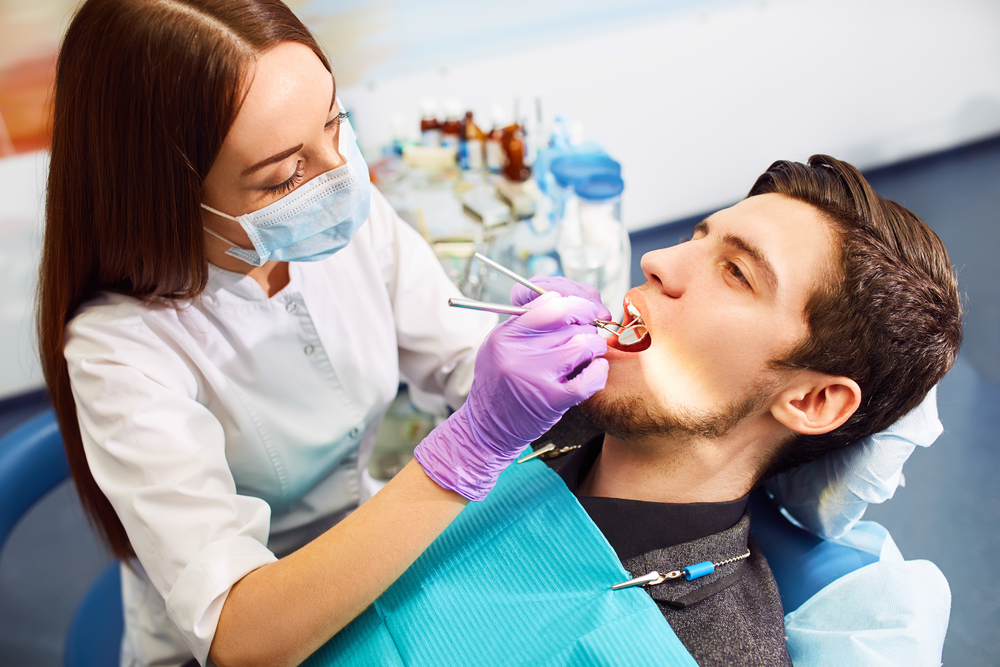
How Your Surgical Orthodontic Treatment Comes Together

Why Choose Us
Surgical orthodontic care only works when the surgical team and the orthodontist are genuinely aligned, not just exchanging referrals, but actively building and adjusting a shared plan. That level of coordination is central to how Dr. William E. Zwack, DDS, FACS & Dr. Ayesha Nawab, DMD, MD, FACS approach every case. From the initial assessment through post-operative follow-up, the team maintains direct communication with your orthodontist so that surgical decisions are always made in the context of your full treatment picture, not in isolation.
That collaborative model also benefits you directly as a patient. You are not left navigating two separate care relationships or piecing together information from both sides. Mid-Maryland Oral & Maxillofacial Surgery, PA functions as an active partner in your orthodontic care, keeping all parties informed, sequencing treatment correctly, and adjusting when your case calls for it. The result is a smoother process, fewer surprises, and a surgical experience that feels like a natural extension of your orthodontic treatment rather than a separate ordeal entirely.

Experience Our Surgical Procedures to Assist Orthodontic Treatment
Our surgical procedures to assist orthodontic treatment represent one of the more involved decisions a patient can make, and having the right team behind that decision matters enormously. Dr. William E. Zwack, DDS, FACS, and Dr. Ayesha Nawab, DMD, MD, FACS, bring the surgical precision and interdisciplinary coordination that complex orthodontic cases demand, working alongside your orthodontist to ensure every procedure serves a clear, well-planned purpose.
At Mid-Maryland Oral & Maxillofacial Surgery, PA, that level of personalized, expert care is what every patient can expect from the first appointment forward. A conversation with the team starts at 301.694.2300, and you can find helpful oral health content and practice news on the practice’s Facebook page.
FAQs
How much does orthodontic surgery cost?
The cost of orthodontic surgery varies depending on the type of procedure, its complexity, and your insurance coverage. Jaw repositioning procedures tend to be more involved and carry higher costs than simpler interventions like tooth exposure or frenectomy. Many insurance plans provide partial coverage when surgery is deemed medically necessary. Your surgical team will review cost estimates and coverage options with you in detail during your consultation.
Does orthodontics always involve surgery?
No, most orthodontic treatment does not require surgery. Braces and aligners are sufficient for the majority of patients who need tooth movement and mild bite correction. However, when jaw discrepancies, impacted teeth, or skeletal asymmetries are present, surgical procedures may be necessary to achieve a result that orthodontics alone cannot deliver. Your orthodontist and oral surgeon will work together to determine whether surgical support is the right step for you.
Why is orthodontic treatment necessary?
Orthodontic treatment addresses far more than appearance. It corrects bite problems that lead to uneven tooth wear, jaw pain, difficulty chewing, and increased risk of decay. Misaligned teeth are harder to clean thoroughly, which raises the likelihood of gum disease and cavities over time. Left untreated, bite issues can also place chronic stress on the jaw joints. Addressing these problems early leads to better oral health and more comfortable daily function throughout your life.
What is considered orthodontic treatment?
Orthodontic treatment refers to any clinical intervention designed to correct the alignment of teeth and jaws. This includes traditional metal braces, clear aligners, retainers, palate expanders, and surgical procedures that support proper jaw positioning. The goal of all orthodontic treatment is to produce a bite that functions correctly, distributes pressure evenly, and supports long-term oral health. In complex cases, oral and maxillofacial surgery becomes an essential component of the broader orthodontic plan.
What is the orthodontic treatment timeline?
Orthodontic treatment timelines vary based on the nature and severity of each patient’s case. Standard braces or aligner treatment typically takes one to three years. When surgical procedures are involved, the timeline may extend to account for pre-surgical tooth movement, surgical recovery, and post-surgical orthodontic finishing, ranging from 18 months to three or more years in total. Your treatment team will provide a realistic estimate based on your specific diagnosis and the procedures required.