

Sedation Dentistry in Frederick MD
Sedation dentistry in Frederick, MD helps patients whose dental anxiety has kept them from getting the care they need, because it doesn’t have to stop you anymore. At Mid-Maryland Oral & Maxillofacial Surgery, PA, sedation dentistry iis offered by Dr. William E. Zwack, DDS, FACS and Dr. Ayesha Nawab, DMD, MD, FACS with one clear goal: making sure dental fear never stands between you and a healthy smile. Our doctors bring advanced training in oral and maxillofacial surgery to every appointment, offering safe, personalized sedation options that work for a wide range of dental procedures and patient comfort levels. If you have been putting off dental visits because of anxiety, our team is ready to help you move forward with confidence.

Why One Sedation Method Does Not Work for Everyone
Sedation dentistry is not a single treatment. It is a range of options designed to match the right level of comfort support to the right patient and procedure. Your sedation plan depends on three key factors: the complexity of your dental procedure, your personal level of dental anxiety, and your overall medical history. A patient getting a simple tooth extraction has very different needs than someone undergoing a full jaw reconstruction, and the sedation approach should reflect that difference.
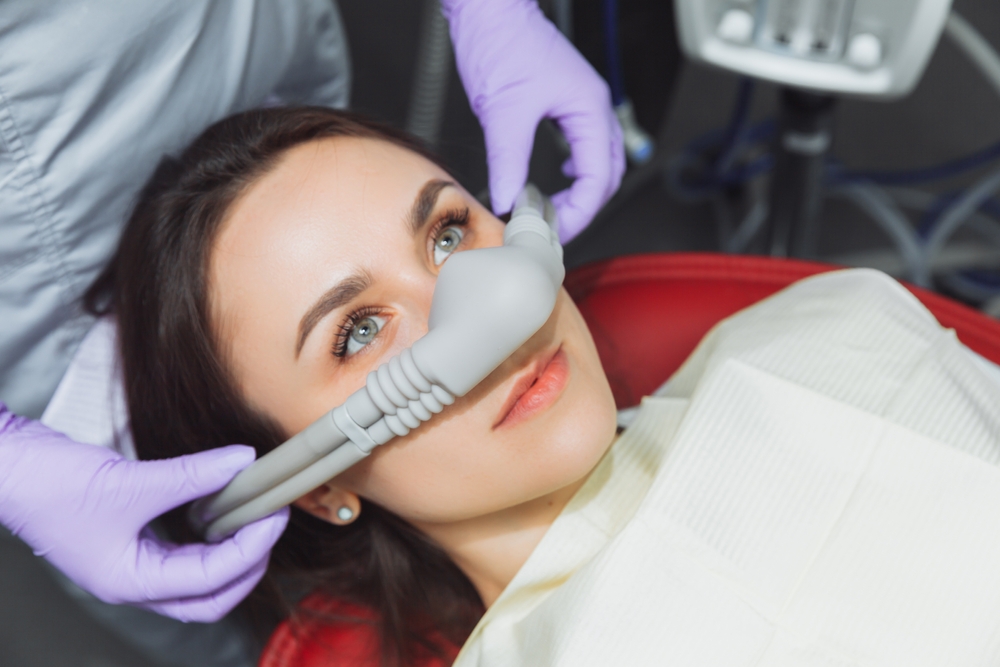
Nitrous oxide, also called laughing gas, works well for patients who need mild relaxation during routine dental procedures. Oral sedation and IV sedation are better suited for patients with moderate to severe dental fear, or for longer, more involved dental treatments. General anesthesia is reserved for extensive oral surgery cases or situations where local anesthetics alone are not enough, such as when infection prevents the surgical site from numbing properly. Understanding where you fall on that spectrum is what makes sedation dentistry effective. When the method matches the patient, dental procedures become manageable, recovery goes more smoothly, and your overall oral health gets the attention it deserves.
Benefits of Sedation Dentistry
You Stay in Control of Your Gag Reflex
A strong gag reflex is one of the most overlooked reasons dental procedures become stressful and difficult to complete. Nitrous oxide and other sedation methods work to suppress this response, making it easier for your dental team to work efficiently and thoroughly. Patients who have avoided certain dental treatments specifically because of gagging issues often find that sedation makes those procedures completely manageable. Getting full, uninterrupted care becomes possible when your body is no longer working against the process.
Sedation Makes Complex Oral Surgery More Accessible
Not every dental procedure is straightforward. Wisdom tooth removal, dental implant placement, and other advanced dental treatments involve more time, more steps, and more physical demand on the patient. Sedation dentistry removes the barriers that would otherwise make these procedures feel overwhelming or impossible. Patients who need significant oral surgery can move forward with their care plan knowing their comfort has been accounted for from the start.
Your Memory of the Procedure Is Limited and That Is a Good Thing
One of the lesser-known benefits of IV sedation and general anesthesia is that patients retain little to no memory of the procedure afterward. For people managing dental phobias, this is especially significant. There is no difficult memory to process or dread to carry into future dental visits. Over time, this can make it easier to stay consistent with your oral health care without anxiety building between appointments. Fewer negative associations means fewer reasons to avoid the dental chair.
Children and Patients With Special Needs Receive Better Care
Pediatric dental patients and individuals with physical or cognitive conditions often struggle with the demands of a standard dental visit. Sitting still, following instructions, and tolerating dental tools can be genuinely difficult, not a matter of willingness. Sedation dentistry gives dental specialists the ability to deliver thorough, safe care to patients who need additional support. When anxiety and discomfort are managed effectively, every patient has a fair opportunity to receive the dental services they need.
Sedation Supports Long-Term Consistency With Dental Care
Patients who avoid dental visits due to dental fear tend to present with more advanced oral health problems when they finally do seek care. Sedation dentistry breaks that cycle. When you know that your next appointment can be comfortable and low-stress, you are far more likely to schedule it and keep it. Regular dental treatments caught early are almost always simpler and less invasive than problems addressed late. Committing to consistent dental care becomes a realistic goal when fear is no longer the deciding factor.
The Process Behind Safe, Comfortable Oral Surgery

Why Choose Our Approach to Sedation Dentistry
When you receive sedation at our practice, the doctors who designed your care plan are the same doctors administering and monitoring your sedation from start to finish. There are no hand-offs to unfamiliar staff, no gaps in oversight, and no moment during your dental procedure where your comfort and safety are not being actively managed. Dr. William E. Zwack, DDS, FACS and Dr. Ayesha Nawab, DMD, MD, FACS hold the state-issued licensure required to perform office-based general anesthesia, a credential that demands advanced training, a rigorous in-office evaluation by a state dental board examiner, and ongoing continuing education to maintain. That level of accountability is not standard across every dental practice, and it is something our patients can rely on every time they walk through our doors.
That same continuity extends beyond the procedure itself. Our doctors are involved at every stage, from your initial consultation appointment through your post-procedure follow-up, which means the person checking on your recovery is the same person who planned your sedation and performed your oral surgery. This matters especially for patients managing dental phobias, those with complex medical histories, and pediatric dental patients who need consistent, familiar care. Across all dental services we provide, the goal never changes: to make sure every patient leaves our practice in better health than when they arrived, with their trust in dental care strengthened rather than strained.

There Has Never Been a Better Time to Try Sedation Dentistry in Frederick MD!
Making the decision to prioritize your oral health is the hardest part and once you do, our team takes it from there. Sedation dentistry in Frederick MD gives you a concrete way to move past dental fear and get the care you have been putting off. Dr. Zwack and Dr. Nawab are ready to walk you through your options, answer every question, and build a sedation plan around your specific procedure and comfort level.
Reserve your consultation appointment today at 301.694.2300 and take action on your oral health. Our front desk is ready to help you find the right appointment time. Stay up to date with our dental practice on Facebook for patient updates, oral health tips, and a closer look at the dental services we provide at Mid-Maryland Oral & Maxillofacial Surgery, PA.
FAQs
Can dental anxiety affect the outcome of my oral surgery?
Yes, unmanaged dental anxiety can directly impact how a procedure goes. Patients who are tense or fearful are harder to keep still, which can complicate precision work during oral surgery. Anxiety also triggers physical stress responses that may affect bleeding and healing. Addressing dental fear through sedation dentistry before your procedure is one of the most practical steps you can take to support a smoother outcome and faster recovery.
How long does it take to recover after a sedation dentistry appointment?
Recovery time depends on the type of sedation used during your dental procedure. Nitrous oxide clears your system within minutes, and most patients feel fully normal shortly after their appointment. IV sedation and general anesthesia require a longer recovery period, and most patients need the remainder of the day to rest before resuming normal activities. Your dental team will give you specific recovery guidelines based on your sedation type and procedure.
What should I tell my doctor before my sedation dentistry appointment?
Give your doctor a complete picture of your medical history before any dental procedure involving sedation. This includes current medications, known allergies, respiratory conditions, and any previous reactions to local anesthetics or anesthesia. Patients with conditions such as emphysema or chronic breathing difficulties may not be suitable candidates for certain sedation methods like nitrous oxide. The more your doctor knows upfront, the safer and more effective your sedation plan will be.
Can sedation dentistry help patients who have had bad experiences with dental procedures before?
It absolutely can. Negative past experiences are one of the most common drivers of dental phobias and long-term avoidance of dental visits. Sedation dentistry gives patients a way to re-engage with oral health care in a setting where their comfort is actively managed throughout the procedure. Many patients who once avoided dental treatments for years find that a positive sedation experience genuinely changes how they feel about returning for future care.
How does sedation dentistry support better long-term oral health?
Patients who avoid dental visits due to dental fear tend to present with more advanced oral health problems when they finally seek care. Sedation dentistry removes the barrier that keeps those patients away, making it possible to stay consistent with necessary dental treatments before small issues become serious ones. Regular care made accessible through sedation means problems are caught and addressed early. Over time, that consistency is one of the most effective ways to protect your oral health.