
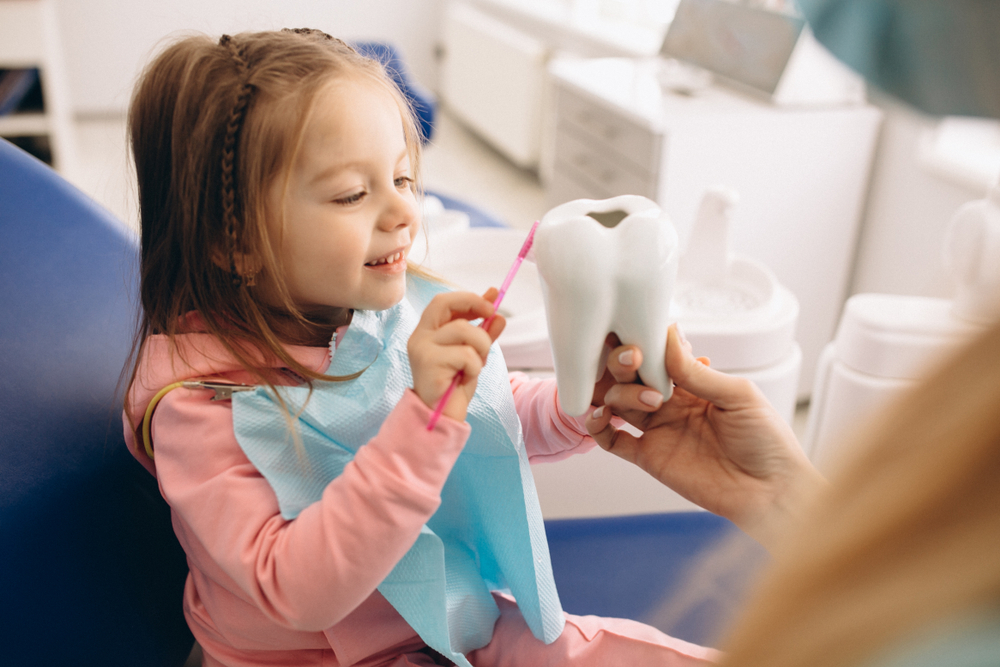
Pediatric Surgical Care
Pediatric oral surgical care can feel overwhelming for a child, but with the right surgical team, it doesn’t have to be. Dr. William E. Zwack, DDS, FACS and Dr. Ayesha Nawab, DMD, MD, FACS at Mid-Maryland Oral & Maxillofacial Surgery, PA are board-certified specialists who treat every young patient with the same care and precision they would want for their own families. They explain procedures in plain language, prepare parents thoroughly, and make sure your child feels as comfortable as possible before, during, and after surgery.

Conditions That Bring Kids to an Oral Surgeon
Children are referred to an oral and maxillofacial surgeon for a number of reasons, and most parents are surprised by the range of conditions that fall under this specialty. Common reasons include problematic tooth extractions, impacted teeth, jaw injuries from accidents or sports, infections that have spread beyond what a general dentist can manage, and the removal of cysts or benign growths in the mouth or jaw. Some children also need surgical evaluation for developmental concerns, such as irregular jaw growth that affects how they bite or speak.
Not every child who visits an oral surgeon ends up needing a complex procedure, but when surgery is necessary, having a specialist handle it matters. Pediatric oral surgical care accounts for the fact that children’s bones and soft tissues respond differently than adults, and that sedation and anesthesia protocols must be carefully matched to a child’s age and weight. Early and accurate treatment of these conditions helps prevent complications that could affect your child’s oral development for years to come.
Benefits of Pediatric Surgical Care
Specialized Anesthesia Options for Young Patients
Children often require sedation or general anesthesia to keep them calm and comfortable during surgical procedures. Your child’s care team will review all medication and fasting requirements with you ahead of time. For procedures requiring IV sedation or general anesthesia, your child must not eat or drink anything, including water, for six hours before their appointment. This careful preparation helps keep them safe throughout the procedure.
Faster Healing With Age-Appropriate Aftercare
Children’s bodies typically heal at a faster rate than adults, but they still need proper guidance to recover well. Following pediatric surgical care, swelling may peak within the first three days, and icing the area in 10-minute intervals during the first 24 hours helps keep it manageable. Soft foods, salt-water rinses starting on day three, and avoiding straws for at least 72 hours all support clean, complication-free healing.
Reduced Risk Through Expert Pre-Surgical Preparation
Good outcomes in pediatric oral surgery begin well before the procedure itself. Parents are asked to dress children in loose, short-sleeved clothing and remove jewelry, contact lenses, and nail polish on the day of surgery. Any illness, even a mild cold or sore throat, should be reported to the office before the appointment. These steps help the surgical team assess your child’s readiness and reduce any unnecessary risks.
Continuity of Care From Consultation Through Recovery
Pediatric surgical care isn’t just about the procedure. It’s about making sure your child is supported at every stage, including the initial consultation, the procedure itself, and post-operative follow-up visits scheduled within 7 to 10 days of surgery. If sutures are placed, they are typically dissolvable and will come out on their own, but the follow-up appointment gives the care team a chance to confirm healing is on track.
Peace of Mind for the Whole Family
One of the most important benefits of working with a dedicated pediatric oral surgery team is the confidence it gives parents. When you know your child is in the hands of experienced, board-certified surgeons who communicate clearly and prepare your family thoroughly, it removes a significant layer of worry. From the moment you call to schedule through your child’s last follow-up visit, you’ll have a direct line to the team whenever questions come up.

What Happens Before, During, and After Your Child’s Procedure

Why Families Trust Us With Their Children’s Care
Parents don’t take chances when it comes to their kids, and neither do we. Dr. William E. Zwack, DDS, FACS and Dr. Ayesha Nawab, DMD, MD, FACS are dual-trained oral and maxillofacial surgeons, meaning their backgrounds span both dentistry and medicine. That dual training is particularly valuable in pediatric cases, where surgical decisions often intersect with a child’s overall health, growth, and development. The FACS designation each surgeon holds reflects a commitment to surgical standards that go beyond the baseline.
What parents consistently find at Mid-Maryland Oral & Maxillofacial Surgery, PA is a practice that communicates honestly and prepares families thoroughly. You won’t be handed a pamphlet and sent home to figure things out. Instead, you’ll get direct answers, clear pre- and post-operative instructions, and access to an on-call doctor after hours for anything that can’t wait until the next business day. That level of availability and transparency is what builds trust, and it’s what keeps families coming back when their children need care.

Pediatric Surgical Care With Experienced Hands, Honest Answers, and Care That Shows!
Your child’s oral health isn’t something to put off, and when surgery is on the table, who performs it matters. Dr. William E. Zwack, DDS, FACS and Dr. Ayesha Nawab, DMD, MD, FACS bring board-certified precision and a genuine commitment to every pediatric case they take on. Follow us on social media where we regularly share practical guidance for families navigating pediatric surgical care, and when you’re ready to book, 301.694.2300 connects you directly to the Mid-Maryland Oral & Maxillofacial Surgery, PA team.
FAQs
What can kids eat after dental surgery?
Your child should start with a soft diet immediately following surgery, including yogurt, applesauce, mashed potatoes, and smoothies without straws. Very hot foods should be avoided on the day of surgery while the local anesthetic is still wearing off. A regular diet can often resume as early as 24 hours after the procedure, depending on the type of surgery. Your surgical team will give you specific guidance based on your child’s case.
Do kids need shots when they do dental surgery?
That depends on the type and complexity of the procedure. For minor work, local anesthesia injections may be all that’s needed. More involved procedures often call for IV sedation or general anesthesia to keep your child comfortable and still throughout the surgery. Your child’s surgeon will discuss the most appropriate anesthesia option during the consultation and explain exactly what your child will feel during the procedure.
How long does dental surgery take for kids?
Procedure length varies based on the complexity and type of surgery being performed. Simple extractions may take only 20 to 30 minutes, while more involved procedures can take longer. During your child’s consultation, the surgical team will give you a realistic time estimate so you can plan your day accordingly. Plan to stay at the office for additional time after the procedure for monitoring before your child is cleared to go home.
What to expect after pediatric dental surgery?
In the days following surgery, some swelling, light bleeding, and discomfort are all normal. Swelling tends to peak within the first three days and is best managed with ice packs during the first 24 hours and NSAID medications like ibuprofen as directed. Facial bruising ranging from blue to yellow discoloration may also develop and typically resolves within 7 to 10 days. Some temporary numbness around the surgical site is not uncommon and should be reported to the surgeon at the follow-up visit.