

Oral Pathology
Our oral pathology expertise helps make sense of unusual changes in your mouth that can otherwise feel unsettling. Dr. William E. Zwack, DDS, FACS, and Dr. Ayesha Nawab, DMD, MD, FACS, specialize in identifying and diagnosing conditions that affect the oral and maxillofacial region, bringing a level of expertise that goes well beyond a routine dental visit. At Mid-Maryland Oral & Maxillofacial Surgery, PA, every evaluation is thorough, every concern is taken seriously, and every patient receives the clarity they need to make informed decisions about their oral health.

How Oral Disease Shows Up in the Mouth
The inside of your mouth is normally lined with smooth, coral-pink tissue called mucosa. When that tissue changes in color, texture, or feel, it can signal the start of a pathological process. Reddish patches (erythroplasia), white patches (leukoplakia), a sore that bleeds easily or refuses to heal, or a lump along the inner lining of the mouth are all changes worth taking seriously. These signs can appear on the lips, cheeks, palate, gums, or tongue, and may also involve the face or neck.
What makes oral disease particularly easy to miss is that pain is not a reliable warning signal. Many serious conditions, including early-stage oral cancer, develop without any discomfort at all. Facial or oral pain without an obvious cause can also indicate underlying pathology, even when everything looks normal on the surface. Performing a monthly self-examination is one of the most practical habits you can build. The sooner an abnormal change is identified and evaluated, the more treatment options are available to you.
Benefits of Oral Pathology
Knowing What You Are Actually Dealing With
Many oral conditions look similar on the surface but require completely different treatments. A proper pathological evaluation removes the guesswork by identifying exactly what type of tissue change or disease is present. That precision matters, because treating the wrong condition wastes time and can allow a serious problem to progress unchecked.
A Second Layer of Protection Beyond Routine Checkups
General dental visits cover a lot of ground, but they are not always structured to catch subtle pathological changes. Oral pathology adds a focused layer of clinical scrutiny that targets abnormal tissue, unexplained symptoms, and changes that fall outside the scope of routine care. For patients with risk factors like tobacco use, heavy alcohol consumption, or a prior oral disease diagnosis, this added evaluation can be especially valuable.
Reducing the Risk of Misdiagnosis
Not every lump is cancer, and not every white patch is harmless. Without a proper pathological assessment, it is easy to either over-react or dismiss something that actually needs attention. A thorough oral pathology evaluation gives you a grounded, evidence-based answer rather than a best guess, which means your care going forward is built on accurate information.
Clarity When Symptoms Do Not Add Up
Chronic sore throat, difficulty chewing, persistent jaw discomfort, these symptoms can point in several directions. Oral pathology brings a structured diagnostic approach to cases where symptoms seem vague or unrelated, helping connect the dots between what you are experiencing and what may be happening in your tissues. Getting that clarity early prevents months of inconclusive care.
Monitoring Changes That Are Not Yet a Problem
Not every abnormal finding requires immediate treatment. Some conditions are benign but need to be watched over time to make sure they stay that way. Oral pathology gives you a documented baseline so that any future changes in size, shape, or appearance can be compared and assessed accurately, turning observation into a proactive part of your care.
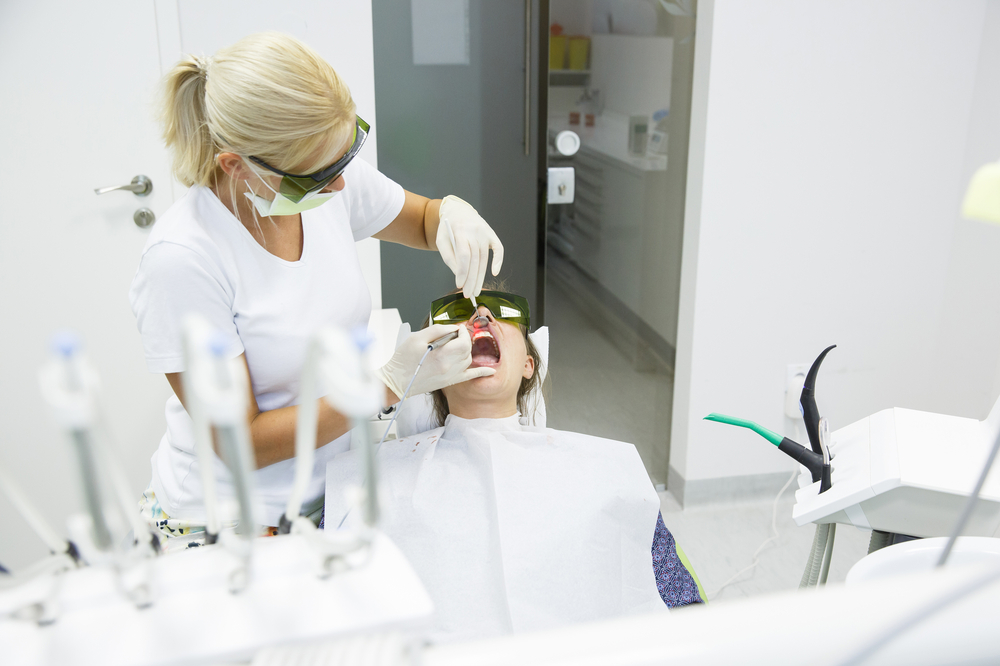
How We Evaluate and Address Oral Pathology Concerns

Why Choose Us
At Mid-Maryland Oral & Maxillofacial Surgery, PA, oral pathology care is delivered by board-certified oral and maxillofacial surgeons with the Fellowship designation from the American College of Surgeons, a distinction that reflects the highest level of surgical training and professional achievement. Dr. Zwack and Dr. Nawab have the clinical background to handle complex diagnoses and conditions that fall outside the scope of general dental care. When something in your mouth needs expert attention, you want that level of specialization on your side.
Patients choose this practice because they feel heard, informed, and genuinely cared for. Every evaluation is thorough, every diagnosis is explained clearly, and every treatment plan is built around your specific situation. Whether you are coming in with a concerning symptom or simply want a professional opinion on something you have noticed, the team treats your concern with the seriousness it deserves and works to give you clarity, not just answers.

Experience Our Oral Pathology Expertise
Our oral pathology expertise means you don’t have to sit with an unanswered concern about your oral health any longer than necessary. Dr. Zwack and Dr. Nawab are trained to evaluate exactly the kind of changes that are easy to dismiss but important to investigate, and they will give you a clear, honest picture of what is going on. Pick up the phone at 301.694.2300 and schedule your consultation at Mid-Maryland Oral & Maxillofacial Surgery, PA today. Stay connected with us on Facebook for updates, patient resources, and oral health information worth knowing.
FAQs
What is oral pathology in dentistry?
Oral pathology is a specialty focused on diagnosing diseases of the mouth, jaw, and related structures. It covers a wide range of conditions, from benign tissue changes to oral cancer. Oral and maxillofacial surgeons trained in pathology can evaluate abnormal findings through clinical examination, biopsy, and laboratory analysis to reach an accurate diagnosis and guide appropriate treatment.
How is oral pathology important to dental hygiene?
Maintaining good oral hygiene reduces the risk of infection and inflammation, but it also plays a role in catching early warning signs. Regular brushing and flossing let you become familiar with what is normal in your mouth, so you are more likely to notice changes. When combined with professional screenings, oral hygiene habits form a strong foundation for early detection of pathological conditions.
Can a dental x-ray show a tumor?
Dental X-rays can reveal certain abnormalities in the jawbone or surrounding structures, including some tumors and cysts. However, they are not the primary tool for detecting soft tissue changes or early-stage oral cancer. A clinical examination and, when warranted, a tissue biopsy are typically more reliable for identifying and diagnosing oral tumors. Imaging may be used as part of a broader diagnostic workup.
What does a mouth tumor feel like?
Many oral tumors are painless, especially in early stages, which is part of what makes them easy to miss. You might notice a persistent lump, thickening of tissue, or a raised area that does not go away. Some people experience a sore that fails to heal, discomfort when swallowing, or a feeling that something is caught in the throat. If anything in your mouth feels unusual or different for more than two weeks, get it evaluated.
How to get rid of mouth infection?
Treatment for a mouth infection depends on the underlying cause. Bacterial infections are typically treated with antibiotics, while some infections require drainage or surgical intervention. It is important not to ignore a mouth infection, as they can spread to surrounding tissue and bone if left untreated. A professional evaluation is the only reliable way to determine the right course of treatment, because home remedies alone are rarely sufficient for serious oral infections.