
In-Office Anesthesia
Fear of pain and anxiety about oral surgery stop a lot of people from getting the care they need, and that’s exactly what in-office anesthesia is designed to change. At Mid-Maryland Oral & Maxillofacial Surgery, PA, Dr. William E. Zwack, DDS, FACS & Dr. Ayesha Nawab, DMD, MD, FACS offer carefully selected anesthesia options tailored to your procedure, your health history, and your comfort level. Their goal is straightforward: you should feel safe, informed, and at ease before you ever sit down in the chair.

How Anesthesia Is Selected for Your Procedure
Two main factors drive anesthesia selection: the nature of the surgical procedure and the patient’s level of anxiety. A simple extraction may only require a local anesthetic to numb the immediate area. A more involved procedure such as wisdom tooth removal or dental implant placement often calls for nitrous oxide sedation or IV sedation to keep you comfortable throughout. In cases where local anesthetic fails to fully numb the site, general anesthesia may become necessary regardless of the procedure’s complexity.
Your medical history also plays a direct role in the decision. Certain health conditions, medications, and prior reactions to sedation all factor into which method is appropriate and safe for you. Patients with significant dental anxiety may choose a higher level of sedation even for a routine procedure, and that is a completely valid option. The goal is to match the anesthesia to the full picture of your needs, not just the surgery itself.
Benefits of In-Office Anesthesia
Tailored Comfort For Every Patient
Not every patient needs the same level of sedation. In-office anesthesia allows your care team to match the right method to your specific procedure and anxiety level. You have real choices that fit your needs rather than a one-size-fits-all approach, whether that means a light nitrous oxide blend or full IV sedation.
Reduced Anxiety Before And During Surgery
Dental anxiety is extremely common, and it shouldn’t stop you from getting care you need. IV sedation and nitrous oxide both reduce anxiety significantly, helping you feel calm before the procedure even begins. Many patients report little to no memory of the procedure afterward, making the entire experience far more manageable.
Faster, More Efficient Procedures
When you’re relaxed and comfortable, your surgical team can work more effectively. In-office anesthesia minimizes involuntary movement and discomfort, which allows procedures to be completed more smoothly. This often means a shorter time in the chair and a more predictable recovery overall.
Safe, Closely Monitored Care
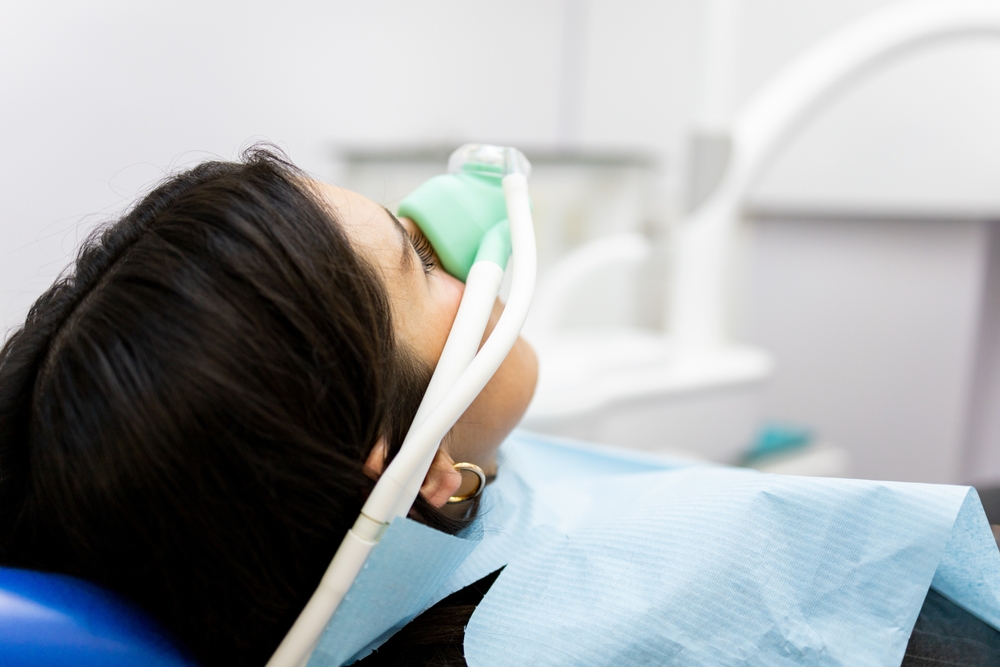
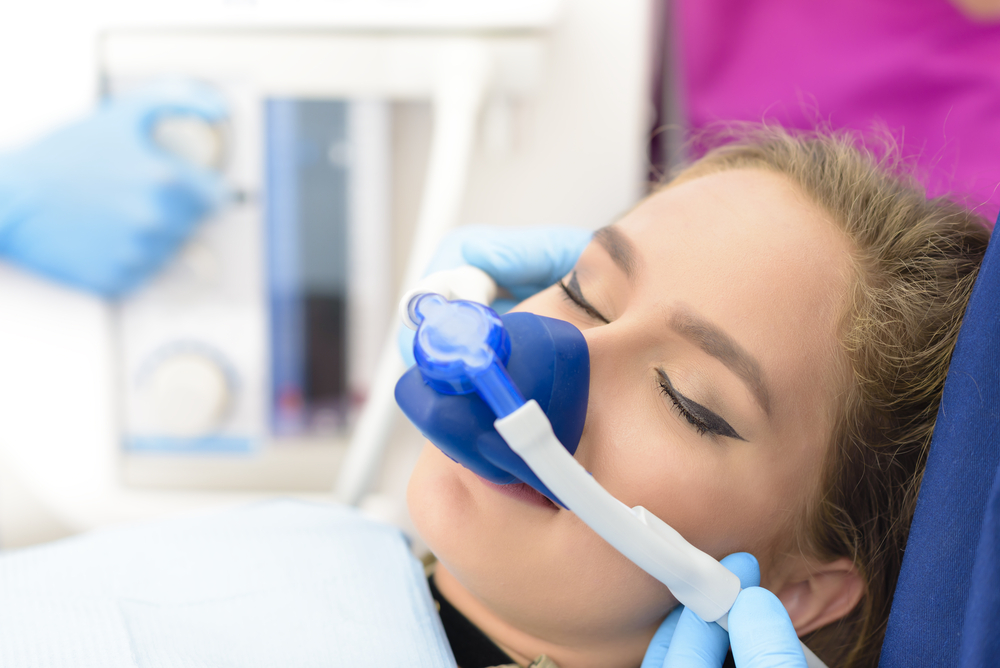
During IV sedation, your vital signs are continuously monitored throughout the procedure. Supplemental oxygen is delivered through a nasal breathing apparatus to support your body during surgery. Oral surgeons who administer general anesthesia in-office must meet strict state licensing requirements, including hospital-based training and ongoing certification, so you’re in qualified hands.
No Additional Facility Costs
Choosing in-office anesthesia eliminates the expense of a hospital or surgery center visit. Your IV sedation is administered and monitored directly by the doctor, which means you receive attentive, personalized care at a lower overall cost. For most routine to moderate oral surgeries, this makes in-office sedation both a practical and financially sensible option.
How We Approach In-Office Anesthesia Care

What Sets Us Apart
When general anesthesia is administered at a hospital or surgery center, you’re handed off to an anesthesiologist who has no prior knowledge of your surgical case. At Mid-Maryland Oral & Maxillofacial Surgery, PA, the surgeon who evaluates you, develops your anesthesia plan, and performs your procedure is the same person monitoring your sedation throughout. That continuity matters. It means every clinical decision is made by someone who already knows your full picture, not a separate provider working from a chart.
Receiving anesthesia in an oral surgery office also requires a specific, state-issued license, one that is not automatically granted with a dental degree. Earning it involves completing hospital-based anesthesia training, passing a live evaluation conducted by a state dental board examiner, and maintaining ongoing continuing education tied directly to anesthesia. Dr. William E. Zwack, DDS, FACS & Dr. Ayesha Nawab, DMD, MD, FACS hold this licensure and bring fellowship-level surgical credentials to every procedure. You get the clinical rigor of a hospital-caliber team without leaving a setting that was built specifically around your care.

The Right Sedation Option Makes Oral Surgery Manageable
Anxiety about anesthesia should never be the reason you delay care you need. Dr. William E. Zwack, DDS, FACS & Dr. Ayesha Nawab, DMD, MD, FACS have built Mid-Maryland Oral & Maxillofacial Surgery, PA around the belief that every patient, regardless of their procedure or apprehension level, deserves a sedation experience that is safe, unhurried, and tailored specifically to them.
Your consultation is where that process begins: a dedicated conversation about your health, your concerns, and the anesthesia option that fits your case. Schedule yours today at 301.694.2300 and walk in knowing exactly what to expect. For patient education, procedure insights, and office updates, find us on Facebook. It’s a straightforward way to stay informed between appointments.
FAQs
How long does dental anesthesia last?
The duration depends on which type of anesthesia is used. Local anesthetic typically wears off within one to three hours after the procedure. Nitrous oxide clears from your system very quickly, often within minutes of stopping the gas. IV sedation effects can linger for several hours, which is why you’ll need a driver and should plan to rest for the remainder of the day.
How much does dental anesthesia cost?
The cost of dental anesthesia varies based on the type used and the length of the procedure. Local anesthetic is often included in the base cost of a procedure, while nitrous oxide and IV sedation carry additional fees. In-office sedation administered by the surgeon directly is generally more affordable than hospital-based anesthesia. We recommend discussing pricing and insurance coverage during your consultation so there are no surprises.
How to make dental anesthesia wear off faster?
There’s no safe, proven method to speed up the wearing off of dental anesthesia significantly. The best approach is to stay hydrated, rest, and give your body time to metabolize the medication naturally. Moving around gently, when safe to do so, can support circulation and may assist the process. Avoid eating on the numb side of your mouth and stay away from hot beverages until full sensation returns.
Do I need anesthesia for dental implants?
Anesthesia is always used for dental implant placement, but the level depends on your preferences and clinical situation. At minimum, local anesthetic is used to numb the surgical site completely. Many patients opt for IV sedation or nitrous oxide to reduce anxiety and increase comfort throughout the procedure. Your oral surgeon will discuss the right approach based on your health history and personal comfort level during your consultation.
Does dental anesthesia hurt?
The administration of local anesthetic involves a brief injection that may cause a short pinch or mild pressure. Most patients find that any initial discomfort passes within seconds, and the area becomes numb quickly. With IV sedation, the placement of the IV line is typically the only sensation you’ll notice before you relax. Our team works carefully to minimize discomfort at every step, including during the anesthesia process itself.