

Tooth Extraction in Frederick MD
Most dental offices refer complex extractions out; Mid-Maryland Oral and Maxillofacial Surgery, PA is exactly where tooth extraction in Frederick MD referrals go. Dr. William E. Zwack, DDS, FACS and Dr. Ayesha Nawab, DMD, MD, FACS are board-certified oral and maxillofacial surgeons who handle tooth extractions with a level of expertise you will not find in a general dental office. At Mid-Maryland Oral and Maxillofacial Surgery, PA, every patient receives a thorough evaluation, a clear explanation of their options, and a dental procedure performed with the precision and patient comfort that complex cases demand.

Why Waiting on a Problem Tooth Usually Makes Things Worse
Tooth decay and gum disease do not stay contained to one tooth. When a tooth is severely damaged, infected, or structurally compromised, the surrounding bone and tissue are already under stress. Delaying a tooth extraction gives bacteria more time to spread, which can turn a manageable dental problem into one that affects multiple teeth, the jawbone, or your overall dental health. Dental symptoms like persistent dental pain, sensitivity, or swelling are often the first warning signs that a tooth has reached a point where waiting is no longer a safe option.
Damaged teeth that cannot be repaired through cavity fillings or other restorative dental procedures create ongoing problems the longer they stay in place. An impacted tooth pushing against neighboring teeth, a cracked tooth leaking bacteria into the gum tissue, or advanced periodontal disease eroding the supporting bone — each of these situations worsens with time. Dental extractions performed at the right moment protect the teeth and bone around the problem tooth and give the area the best chance to heal cleanly. Acting on dental symptoms early almost always means a simpler extraction procedure and a faster recovery.
Benefits of Tooth Extraction
Extraction Can Reduce Your Risk of Systemic Health Complications
Bacteria from an infected or severely decayed tooth can affect more than your mouth. Research has linked advanced gum disease and chronic oral infections to serious systemic health concerns, including cardiovascular complications. When tooth decay has progressed beyond what restorative dental procedures can fix, extraction removes the source of infection before it creates broader health problems. For medically complex patients, a timely tooth extraction is often as important for overall health as it is for dental health.
Surgical Extraction Addresses Problems General Dentistry Cannot
Impacted teeth, fractured roots, and cases involving oral pathology often require surgical extractions that go beyond the scope of a general dental office. Oral and maxillofacial surgery specialists use precise dental tools and techniques to manage these cases while minimizing trauma to surrounding bone and tissue. Patients who need this level of care consistently report better recovery experiences when the extraction procedure is performed by a surgeon rather than a general provider.
Proper Extraction Technique Preserves Bone for Future Dental Work
How a tooth is removed directly affects what your treatment options look like afterward. A well-performed extraction procedure protects the surrounding bone, which is critical for patients planning to replace the tooth with an implant or bridge. Bone loss at the extraction site can limit or complicate those future dental procedures significantly. Having an experienced oral surgeon perform the removal gives you the best foundation for whatever comes next.
Removing Impacted Teeth Stops Hidden Damage Before It Spreads
An impacted tooth can silently damage the roots of neighboring teeth through a process called resorption, often without any noticeable dental symptoms until significant harm has already been done. Dental extractions performed before this progresses can protect adjacent teeth that would otherwise need their own complex treatment. Routine imaging is frequently the only way to detect this kind of damage early enough to act on it effectively.
Extraction Makes It Easier to Maintain Good Dental Hygiene
Crowded or partially erupted teeth create spaces that are nearly impossible to clean well, allowing plaque to build up and accelerating both tooth decay and gum disease in the surrounding tissue. Removing the problem tooth opens up those areas and makes your dental hygiene routine significantly more effective. Many patients notice a real improvement in the health of their remaining teeth after extraction simply because those teeth are finally accessible to clean properly.
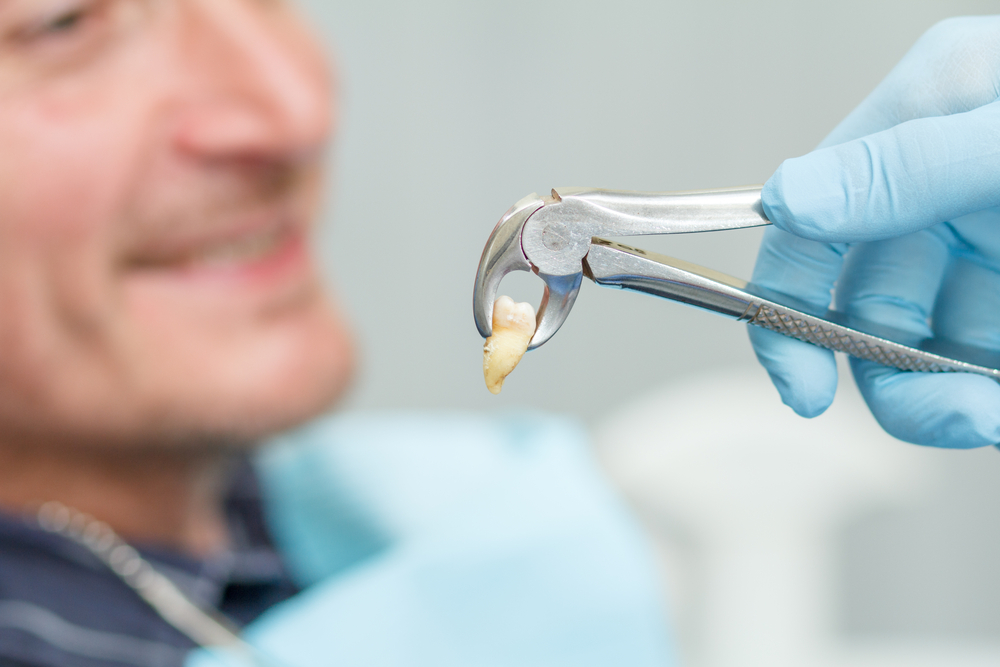
Our Approach to Safe, Precise Tooth Extraction

Why Patients Trust Us With Their Tooth Extraction
Dr. William E. Zwack, DDS, FACS and Dr. Ayesha Nawab, DMD, MD, FACS specialize in cases that go beyond what a general dental office can safely manage, including patients dealing with oral pathology, advanced gum disease, jaw pain, or medical conditions that require careful coordination around dental anesthesia. Their training in both oral and maxillofacial surgery means every extraction, routine or surgical, is handled with the same level of precision.
We also pay close attention to what happens before and after the extraction procedure. Your anesthetic options, aftercare instructions, and follow-up visits are all planned specifically around your case, because for our dental team, a successful outcome includes how well you recover, not just how well the procedure goes.

Put Dental Pain Behind You With Tooth Extraction in Frederick, MD!
Tooth extraction in Frederick, MD performed by a board-certified oral and maxillofacial surgeon is a fundamentally different experience than what most patients expect. At Mid-Maryland Oral and Maxillofacial Surgery, PA, Dr. Zwack and Dr. Nawab bring surgical-level precision to every case and a genuine commitment to making sure you understand your options, feel prepared going in, and heal well afterward. To book your appointment, give our office a ring at 301.694.2300. Prefer to get a feel for our practice first? Our Facebook page is a good place to see what we are about before you walk through the door.
FAQs
How do I know if my tooth needs to be extracted or can still be saved?
A tooth that has extensive decay, a severe fracture, or significant bone loss from gum disease may no longer be a candidate for restoration. Your oral surgeon will review your imaging and dental history to determine whether cavity fillings, a crown, or other dental procedures could preserve the tooth. When the structural damage is too advanced, extraction is the more reliable long-term solution. Getting an evaluation early gives you the most options.
Can tooth extraction make jaw pain worse?
In most cases, removing a problem tooth relieves jaw pain rather than worsening it. Impacted teeth and severely damaged teeth place abnormal pressure on surrounding structures, which often contributes to jaw discomfort over time. Your surgeon will assess how the tooth is affecting your bite and jaw joint before recommending extraction. Most patients notice a reduction in jaw pain once the problematic tooth is no longer present.
Is tooth extraction safe for patients with medical conditions?
Patients managing diabetes, heart conditions, or blood disorders can safely undergo dental extractions with the right preparation. Your surgeon will review your full medical history and coordinate with your physician if necessary before scheduling the procedure. Anesthetic options and sedation options are selected based on your health profile to minimize risk. Oral and maxillofacial surgeons are specifically trained to manage extractions in medically complex patients.
What happens to the extraction site if I do not replace the tooth?
Leaving a gap after tooth extraction can have consequences that go beyond appearance. The surrounding teeth gradually shift toward the open space, affecting your bite and making dental hygiene more difficult over time. Bone loss at the extraction site also begins relatively quickly without a tooth root to stimulate it. Discussing replacement options like implants or bridges during your follow-up visits helps prevent these complications.
Does tooth decay have to be severe before extraction becomes an option?
Not always. The extent of damage matters more than the size of the cavity. A tooth with a small but strategically located fracture that compromises the root, or one with advanced periodontal bone loss, may need extraction even if the visible decay appears minimal. Dental symptoms like persistent pain, mobility, or abscess are often more telling than what shows on the surface. Your oral surgeon evaluates the full clinical picture before making any recommendation.